


When your outside air conditioning unit doesn’t turn on, it may signal issues with the thermostat, circuit breaker, capacitor, contactor, or compressor. Electrical faults, clogged filters, or safety shutoffs can also prevent operation. Prompt diagnosis is essential. Problems with the outside unit can impact the whole system, and a reliable power supply is crucial for proper HVAC operation.
At Bear Valley Plumbing Heating & Air Conditioning, we’ve repaired thousands of outdoor AC units across California. In this article, we explain the most common causes, troubleshooting tips, and when to call a professional.
What Is the Outside Unit and Why It Matters
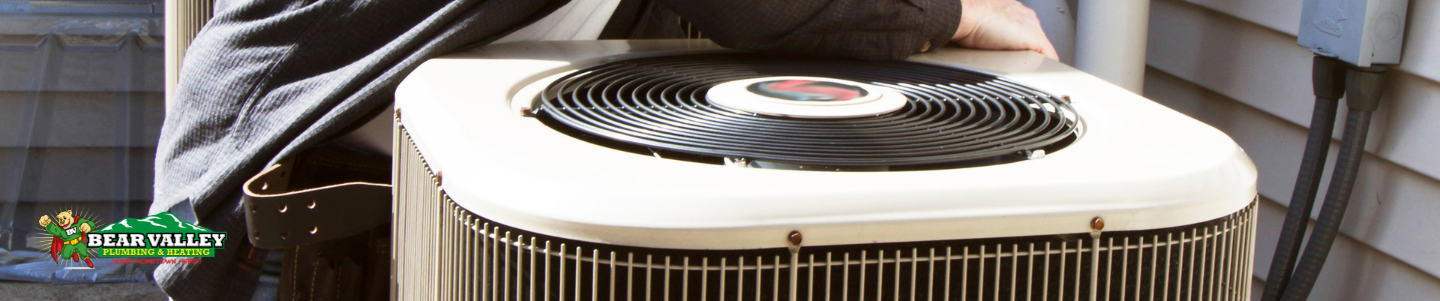
The outside AC unit—also called the condenser unit or ac outside unit—houses the compressor, condenser coil, and fan motor. It releases heat from your home into the outdoor air, working in tandem with the indoor evaporator coil and the indoor unit. The ac outside unit and indoor unit must both function properly, as issues with either can affect the overall system performance.
If this unit doesn’t turn on, your entire cooling system fails. Sometimes, even if the fan or compressor is not working, other components within the outside ac units may still be operating, so it’s important to check all other components when troubleshooting. Recognizing the source of the problem quickly can prevent heat damage to your home and extended discomfort.
Why Your Outside AC Unit May Not Turn On
Common reasons your outdoor condenser unit isn’t working:
- Tripped circuit breaker – Overloaded electrical circuits shut off the unit
- Tripped breakers and power surges – Power surges from storms or electrical overloads can cause breakers to trip, cutting power to the unit. Always check for tripped breakers and reset if necessary.
- Shut off switch, shut off box, and emergency switch – These switches, often located near the outdoor unit, may have been accidentally switched off. Inspect the shut off switch, shut off box, and emergency switch to ensure they are in the ‘on’ position.
- Reset button and reset switch – Some units have a reset button or reset switch near the outdoor unit. Pressing these can sometimes restore operation after a power interruption or fault.
- Power switch and power source – Make sure the power switch for the indoor and outdoor units is turned on and the unit is receiving power from its power source.
- Start capacitor – The start capacitor provides the initial energy needed to start the condenser fan and compressor. A failed start capacitor can prevent the unit from turning on.
- Thermostat malfunction – Fails to signal system to start
- Blown fuse or disconnect – Prevents power from reaching the unit
- Faulty contactor – Electrical switch that sends power to the motor may be stuck or burned out
- Bad capacitor – Prevents the compressor and fan motor from starting
- Compressor failure – The heart of the AC system may have overheated or worn out
- Low refrigerant levels – Causes system safety shut-off to prevent damage
- Clogged filters or coils – Overheating and airflow issues trigger protective shutoff
- Clogged condensate drain line – Triggers a safety switch, shutting off the unit
Safety Precautions Before Inspecting Your Outdoor AC Unit
Before you begin any inspection or troubleshooting of your outdoor AC unit, it’s crucial to put safety first. Always start by turning off the power to the unit at the circuit breaker or fuse box—this step prevents accidental electrical shocks or the unit unexpectedly starting while you’re working.
Make sure you’re wearing the right protective gear, such as gloves, safety glasses, and a dust mask, to protect yourself from sharp edges, debris, or dust that may be present around the outdoor AC. If you’re not confident in your ability to safely inspect or repair the unit, don’t hesitate to call a licensed HVAC technician. These professionals have the right tools and expertise to handle electrical components and cooling systems safely. Remember, working with power and complex AC units can be dangerous, so when in doubt, leave it to the experts.
Step-by-Step Guide to Troubleshooting an Outdoor Unit That Won’t Turn On
- Check the Thermostat Settings
- Make sure it’s set to “cool” mode and the temperature is below room temp. Also, ensure the thermostat is set to a temperature lower than the current ambient temperature to help the system produce cool air.
- Inspect the Circuit Breaker
- Locate your breaker panel and see if the HVAC breaker is tripped. Check for tripped breakers or power surges, and note that switching the breaker off and on can sometimes be an easy fix.
- Look at the Disconnect Box
- Near your outdoor unit, flip open the disconnect panel. Ensure it’s not off or blown. Also, check the shut off switch, shut off box, and emergency switch near the outdoor unit, making sure all switches are properly switched on.
- Test the Thermostat Batteries
- Weak or dead batteries can cause communication issues. Replace old batteries with fresh ones to ensure proper functioning.
- Clear Debris Around the Unit
- Ensure airflow isn’t blocked by dirt, leaves, or objects near the condenser. Clean any dirty coils and check for ice buildup on the unit.
- Listen for Noises
- A loud hum with no fan motion may point to capacitor failure. Clicking could be a bad contactor. Pay attention to the condenser fan and outdoor air conditioner fan, as well as symptoms of a faulty start capacitor or dual run capacitor.
- Change the Air Filter
- A dirty filter can cause pressure issues that force the system to shut down. Air filters are crucial for proper airflow, and clogged filters can cause warm air coming from vents.
- Check the Fan Motor
- Excessive stress or lack of maintenance can cause the fan motor to burn out, preventing the unit from running. Also, check the inside unit and indoor system for power switch issues.
- Call an HVAC Technician
- If none of the above restores power, professional inspection is required. If the unit is blowing hot air or not producing cool air, or if switching or resetting switches (such as the reset button or reset switch) does not resolve the issue, professional help is needed.
Common Electrical Issues with Outdoor AC Units
Electrical problems are a frequent culprit when it comes to outdoor AC units that won’t turn on. One of the first things to check is the circuit breaker—if it’s tripped, your air conditioning unit won’t receive power. Head to your main electrical panel and look for any tripped circuit breakers or a blown fuse that could be cutting off electricity to the outdoor AC. Sometimes, simply resetting the breaker or replacing a blown fuse can get your unit running again.
However, if the breaker keeps tripping or the fuse blows repeatedly, this could signal a deeper electrical problem, such as faulty wiring, a malfunctioning thermostat, or a failed capacitor. These issues can lead to costly repairs if not addressed promptly. For persistent electrical problems, it’s best to contact a professionally certified technician who can safely diagnose and repair your air conditioning system, ensuring your AC unit operates efficiently and reliably.
Drainage Issues That Can Stop Your Outdoor AC Unit
Drainage problems are another common reason your outdoor AC unit might stop working. The condensate drain line is designed to carry away the moisture your air conditioning system removes from the air. Over time, this drain line can become clogged with dirt, algae, or debris—especially during periods of high humidity or in the hot summer months.
When the drain line is blocked, water can back up and trigger a safety switch that shuts down the outdoor AC unit to prevent water damage or compressor failure. If you notice your AC is blowing warm air or not cooling as it should, check the drain line for any signs of blockage. Regular cleaning and maintenance of the condensate drain line can help prevent these issues. If you’re unsure how to clear a clog or if the problem persists, a licensed HVAC technician can quickly diagnose and resolve the issue, keeping your cooling system running smoothly and efficiently all season long.
.
Components Most Likely to Fail in an Outdoor Unit
| Component | Failure Symptoms |
|---|---|
| Capacitor | Unit hums but doesn’t start; if the capacitor fails, the fan or compressor may not spin or may make buzzing noises |
| Dual run capacitor | Fan or compressor won’t start, humming noise |
| Start capacitor | Fan or compressor fails to start, buzzing sound |
| Condenser fan / Outdoor air conditioner fan | Fan not spinning, reduced airflow |
| Contactor | No clicking sound, no power to compressor |
| Compressor | Unit silent, no cooling at all; compressor fails or air conditioner compressor failure can cause the unit not to turn on, disrupt refrigerant circulation, and may produce loud or stuttering noises |
| Disconnect fuse | Complete power loss to the outdoor unit |
Note: If one component fails, other components may still function, but the system will not operate correctly. Diagnosing which of the other components is at fault is important for proper repair.
When to Call for Professional Repair
If you notice any of the following, do not attempt DIY repairs:
- Burning smell or visible smoke
- Repeated tripping of breakers
- Buzzing or popping noises from the unit
- Fluid leaks near electrical components
- You’re unsure how to test components safely
Bear Valley’s certified HVAC technicians have the diagnostic tools and training to identify the issue quickly and safely. For complex repairs or electrical issues, it’s best to call professionally certified technicians or an experienced hvac contractor to ensure safe and reliable service. Hiring an HVAC technician costs $75–$150 per hour for labor, not including parts.
Preventing Outdoor AC Unit Problems in California
- Schedule seasonal maintenance before the summer heat hits
- Clean condenser coils annually to prevent dirty coils, which can hamper heat transfer, cause your AC to work harder, and increase the risk of corrosion or refrigerant leaks
- Replace air filters regularly to maintain a healthy hvac system and ensure efficient airflow
- Keep bushes and debris at least 2 feet away
- Upgrade your thermostat to a smart model for better monitoring
- Replace capacitors and contactors during tune-ups before they fail
These steps help ensure your hvac system performs reliably throughout California’s hottest months. A qualified technician should inspect the unit at least once a year for any signs of wear and tear, helping to catch potential issues early and extend the system’s lifespan.
How Long Should an Outdoor AC Unit Last?
The typical lifespan of an outdoor AC unit is between 10 and 15 years in California, depending on maintenance and usage. Units near coastal areas may corrode faster due to salt air, while inland units may last longer with regular servicing.
If your unit is more than 12 years old and frequently malfunctions, replacement may be more cost-effective than repair. It is typically recommended to replace both the indoor and outdoor AC units at the same time to ensure compatibility and efficiency. Replacing only one part of the indoor system or just the indoor unit may reduce overall efficiency and could void the warranty of the other unit.
The Role of Diagnostic Equipment in Modern AC Repairs
Advanced HVAC diagnostic tools help technicians precisely identify failing parts in your outdoor unit. These may include:
- Multimeters to test electrical continuity and voltage
- Manifold gauges to check refrigerant pressure
- Thermal imaging to locate overheating components
- Amp clamps to measure current flow to motors
Only a licensed HVAC technician can repair a refrigerant leak and recharge the system, ensuring safe and effective operation. Low refrigerant levels can prevent the outdoor AC unit from turning on due to leaks in the system.
- Multimeters to test electrical continuity and voltage
- Manifold gauges to check refrigerant pressure
- Thermal imaging to locate overheating components
- Amp clamps to measure current flow to motors
Using this equipment ensures accurate repair and prevents costly trial-and-error part replacements.
Schedule AC Repair with Bear Valley
If your outside air conditioning unit won’t start, don’t wait. Bear Valley Plumbing Heating & Air Conditioning provides fast, trusted repair service across California. Call 909-584-4376 or book your appointment online
Further Reading
- What Happens If You Don’t Service Your Air Conditioner
- Top 10 Air Conditioner Coil Questions Answered
- What Does an AC Tune-Up Include
- How Often Should You Replace Your Air Conditioning Unit
Resources
- Energy Saver – Troubleshooting AC Systems
- ASHRAE – Residential Cooling Equipment
- California Energy Commission – Cooling System Standards
Frequently Asked Questions
Why won’t my outdoor AC unit turn on?
Check the air conditioner thermostat settings to ensure they are correct, and make sure the set temperature is lower than the current ambient temperature. Also, check for tripped breakers or signs of a recent power surge, as these can prevent the outdoor unit from turning on. Inspect the disconnect box as well. Try pressing the reset button or reset switch on the outdoor unit to see if that restores operation. If all seem fine, a bad capacitor, contactor, or compressor may be to blame.
Can a dirty air filter cause the outside AC unit not to run?
Yes. Poor airflow from clogged air filters can cause system pressure issues and prevent startup. In some cases, clogged air filters may also result in warm air coming from the vents or even hot air, indicating that the filters need to be replaced.
Is it safe to reset the breaker if my AC isn’t turning on?
Yes, if the breaker tripped only once, it may be due to a power surge or a temporary overload—this is a common cause of tripped breakers in AC systems. In many cases, using the reset button or reset switch on your outdoor unit can be an easy fix to restore operation. However, if the breaker keeps tripping repeatedly, it may indicate a deeper electrical issue that requires professional attention.
How do I know if my AC capacitor is bad?
Listen for a humming unit that won’t start. A swollen capacitor is another visual clue. If a capacitor fails—whether it’s the start capacitor or a dual run capacitor—it can prevent the condenser fan or outdoor air conditioner fan from spinning, or cause buzzing noises. These are common signs of capacitor failure. In such cases, it’s best to contact a qualified hvac contractor for proper diagnosis and repair.
Should I try to repair an AC unit myself?
No. HVAC components carry high voltage and refrigerants. Issues such as compressor fails, ice buildup, or problems with the indoor system can be complex and dangerous to address without proper training. Always contact professionally certified technicians to ensure safe and effective repairs.
If you are looking for a Big Bear plumbing, heating & air conditioning contractor, please call (909) 584-4376 or complete our online request form.
Category: Air Conditioning Repair & Maintenance
