


If your toilet bubbles when flushed, the cause is usually a blockage or venting problem. About 80-90% of bubbling or gurgling toilet cases come from a blocked drain line or a clogged vent stack, which creates a pressure imbalance in the plumbing system.
That sound is unsettling, especially when you’re standing in a bathroom in Big Bear wondering whether one flush away from a mess is too close for comfort. The good news is that toilet bubbling is common, it usually follows a clear cause-and-effect pattern, and in many homes the first round of troubleshooting is straightforward.
A toilet shouldn’t sound like it’s burping back at you. When it does, the plumbing system is usually struggling to move water and air the way it was designed to. Think of it as your drain system asking for help early, before a slow drain turns into a backup.
Homes in Big Bear add another layer to the problem. Snow, freezing temperatures, roof debris, and mountain conditions can turn an ordinary vent issue into a recurring seasonal headache. That’s why local diagnosis matters. A generic plumbing checklist can miss what happens when roof vents freeze, pine needles collect, or a house sits vacant part of the season.
That Gurgling Sound What Your Bubbling Toilet is Telling You
A bubbling toilet is rarely random noise. It usually means air is getting pushed or pulled through the wrong part of the drain system. Instead of air entering through a vent pipe and water leaving through the drain, pressure gets out of balance and the toilet bowl becomes the place where that problem shows up.
Most homeowners notice one of three things first. The bowl gurgles right after flushing. The water surface trembles and sends up bubbles. Or another nearby drain reacts when the toilet runs. None of those are normal, but they also don’t automatically mean disaster.
What the sound usually means
When a toilet flushes, water moves fast enough to create pressure changes inside the drain line. If the line is partially blocked, or if the vent can’t bring in enough air, the system starts pulling air from wherever it can. Often, that means through the toilet trap.
Practical rule: A bubbling toilet is a warning sign, not background noise. If you catch it early, you’re usually dealing with a repair problem, not a restoration problem.
The first question I’d ask in a Big Bear home is simple. Is it just this toilet, or are other fixtures acting strange too? That answer usually points the diagnosis in the right direction.
Why local homes need a different lens
Mountain homes deal with more than paper clogs. Roof vent openings can collect pine debris in fall and freeze in winter. Seasonal homes can also develop issues that go unnoticed until the next stay. If a deeper blockage is involved, the conversation may move beyond clearing a line and into problems more like underground pipe repair, where the hidden part of the system matters as much as the fixture you can see.
That doesn’t mean you should panic. It means the toilet is giving you a useful clue.
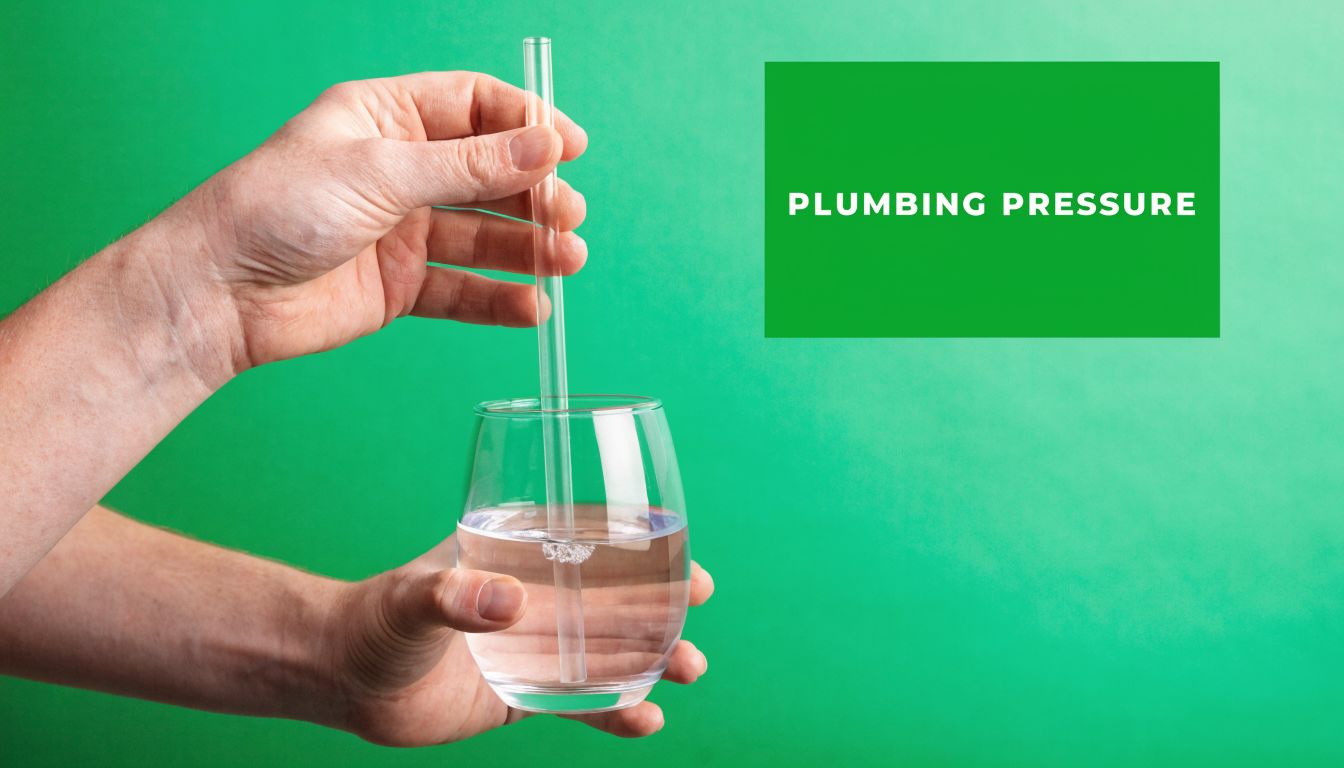
The Straw Analogy Understanding Your Home’s Plumbing Pressure
A plumbing system makes more sense when you stop thinking only about water and start thinking about air too.
Take a drinking straw. If you put a straw in a glass, draw water up, and then block the top with your finger, the water doesn’t move the same way. The path is restricted because air can’t flow freely. Your home’s drain system works on that same basic principle. Water needs somewhere to go, and air needs a clean path to replace it.
Why the toilet bowl becomes the symptom
When you flush, water rushes out of the bowl and into the drain. Under normal conditions, the vent stack on the roof lets outside air enter the system so the flow stays balanced. When that vent path is restricted, the system still tries to find air. The nearest available place may be the toilet bowl itself.
That’s why homeowners hear the gurgle. The plumbing isn’t “making noise” for no reason. It’s pulling air through standing water because the proper air route isn’t doing its job.
A lot of people confuse this with a simple water pressure problem. It usually isn’t the same thing as weak shower flow or a faucet that runs soft. If you’re sorting out fixture pressure elsewhere in the house, how to improve water pressure is a separate issue from toilet bubbling, even though homeowners sometimes lump them together.
One simple way to picture it
Use this mental model:
- Drain pipe: Carries wastewater away.
- Vent pipe: Lets air into the system so water can move smoothly.
- Toilet trap: Holds water to block sewer gas, but it can also reveal pressure problems fast.
Your plumbing isn’t just a set of drains. It’s a drain-and-air system. When the air side fails, the toilet often shows it first.
Once that clicks, bubbling makes a lot more sense. The toilet isn’t usually the root problem. It’s often just the messenger.
Identifying the Three Main Culprits of a Bubbling Toilet
Most bubbling toilet calls come down to three likely causes. According to professional plumbing data, 80-90% of gurgling or bubbling toilet cases are directly caused by a blocked drain line or a clogged vent stack, which makes those the most common places to look first according to this plumbing reference.

If your toilet also flushes slowly and makes noise, this related guide on toilet flushes slowly and gurgles can help you compare symptoms.
A clog inside the toilet or right beyond it
This is the least complicated version. The obstruction sits in the trapway of the toilet or just beyond the flange. Common signs include one toilet acting up while the rest of the house seems fine.
You may notice:
- Single-fixture trouble: Only one toilet bubbles or drains slowly.
- Normal nearby sinks: The bathroom sink and tub don’t react when you flush.
- Partial performance: Waste goes down, but not cleanly or confidently.
This kind of clog often responds to a proper flange plunger or a toilet auger. It doesn’t always mean something dramatic is in the line. Sometimes it’s too much paper or a buildup catching solids at the wrong bend.
A blockage in the main drain or sewer line
This is the one homeowners need to take more seriously. A main line issue affects the shared path that multiple fixtures depend on. The toilet may be the first place you see it because it uses a large, fast dump of water.
Watch for a pattern like this:
| Symptom | What it suggests |
|---|---|
| Toilet bubbles when flushed | Pressure is meeting resistance downstream |
| Tub or shower reacts too | Shared drain path may be restricted |
| More than one fixture drains slowly | Problem may be beyond a single bathroom |
A main line issue usually won’t stay neatly contained. It tends to spread from “annoying” to “messy” if water use continues.
A blocked vent stack on the roof
This cause gets missed often, especially in mountain homes. The vent stack is the pipe that sticks up through the roof and lets the plumbing breathe. If leaves, nesting material, ice, or other debris block it, the system starts hunting for air somewhere else.
A blocked vent often shows up differently from a toilet-only clog:
- Multiple fixtures gurgle: The toilet, sink, or tub may all speak up.
- The timing feels odd: A sink run or another drain can trigger toilet bubbling.
- Smells may appear: Sewer odor can show up when traps are stressed.
Big Bear homes are especially prone to this category because roof conditions change fast through the year.
A Homeowner’s Guide to Safe DIY Troubleshooting
Before you call for service, there are a few checks worth doing. The goal isn’t to become your own plumber. It’s to find out whether you’re dealing with a simple local clog or a house-side drainage problem.

Start with the plunger you should be using
Use a flange plunger, not a flat sink plunger. The flange style seals better inside a toilet drain opening. That seal matters because weak plunging just sloshes water around and wastes your effort.
Try this approach:
- Set the water level: You want enough water in the bowl to cover the plunger cup.
- Create the seal first: Push down gently at first so you don’t splash.
- Use steady strokes: Don’t jab wildly. Controlled pressure works better.
- Test once: If the bowl behavior improves, stop there and monitor it.
If plunging changes nothing, don’t keep flushing over and over. Repeated flushing can turn a manageable issue into an overflow.
Use the bucket test to narrow it down
One of the most useful homeowner checks is simple. When diagnosing a bubbling toilet, pouring 2 gallons of water directly into the drain can help differentiate problems. If the water drains cleanly, the issue is likely a localized clog in the toilet’s trap or jets. If it drains sluggishly or backs up, it implicates a more significant blockage downstream in the main sewer line, as explained in this diagnostic reference.
That test matters because it separates toilet-body problems from line problems. You’re not just asking, “Is it clogged?” You’re asking, “Where is it clogged?”
If the toilet accepts the bucket of water cleanly but still acts strange on a normal flush, the problem may be closer to the toilet itself than to the buried line.
Check what the rest of the bathroom does
Now stop looking only at the toilet.
Run the sink. Then the tub or shower if it’s nearby. Pay attention to whether the toilet gurgles, whether the sink drains normally, and whether any drain starts sounding hollow or sluggish. A shared reaction usually means the issue isn’t isolated.
Use this quick checklist:
- Only the toilet acts up: More likely a local obstruction.
- The sink or tub triggers toilet noise: Shared line or vent issue is more likely.
- Several drains are slow: Stop DIY flushing and move toward professional diagnosis.
What not to do
A few common homeowner moves make these calls worse:
- Don’t use chemical drain cleaners: They rarely solve vent-related or deeper drain problems and can make later work dirtier and less safe.
- Don’t force a cable blindly: A wrong tool can scratch porcelain or get stuck.
- Don’t climb on an icy roof: In Big Bear, vent checks from the roof are seasonal judgment calls, not automatic DIY tasks.
If you want a professional next step, one option is to schedule drain and vent diagnosis with Bear Valley Plumbing & Heating so the line can be inspected with the right tools rather than guessed at.
Red Flags When to Suspect a Sewer Line or Vent Stack Emergency
Some bubbling toilet problems can wait a day for a scheduled visit. Others shouldn’t. The line between the two is whether the symptom points to a fixture problem or a system problem.
The moment multiple fixtures start talking to each other, treat it seriously. A toilet that bubbles when the tub drains, a shower that backs up when the washer runs, or a sewer smell inside the house usually means the problem is no longer local.
Signs you shouldn’t ignore
A clogged vent can affect more than one fixture at once. A clogged plumbing vent stack, often a 2-4 inch pipe on the roof, creates a vacuum in the drain system during a flush. This forces the system to pull air from the nearest source, which is often the water in a toilet’s P-trap, causing gurgling and bubbling across multiple fixtures and potentially releasing sewer gas into the home, according to this vent stack explanation.
That matters because sewer gas and wastewater are not “wait and see” issues.
Call for help quickly if you notice:
- Multiple drains reacting together: Toilet, sink, tub, or shower all showing symptoms.
- Water backing into the lowest fixture: Showers and tubs often reveal a main line problem first.
- Sewer odor indoors: That can point to trap disturbance or vent failure.
- Fast worsening after continued water use: Laundry, dishwashing, and repeated flushing can overload a restricted line.
Delay usually makes cleanup more expensive
When a main line or vent emergency gets ignored, the problem often expands from plumbing repair into sanitation cleanup. If you’re trying to understand what that kind of event can involve after a backup, this guide to understanding sewage backup cleanup costs is useful background reading.
If you’ve ever dealt with a basement or lower-level backup, you already know why speed matters. This related article on sewer line backing up into basement also helps homeowners recognize when the issue has moved beyond a bathroom fixture.
A bubbling toilet is a warning. A bubbling toilet plus sewer smell or backup is an urgent service call.
Why Big Bear homes cross into emergency territory faster
Roof vents in mountain weather don’t fail the same way they do in milder areas. Ice, snow buildup, and debris can close off airflow fast. A vacation rental or part-time cabin can also keep developing a problem while nobody is there to catch the early signs. By the time someone returns, a “funny gurgle” can already be a line that needs immediate attention.
Estimating Repair Costs for a Bubbling Toilet
Repair cost depends less on the sound itself and more on where the restriction is. A toilet-specific clog is usually cheaper and simpler than a vent obstruction on a steep roof or a main line blockage that needs camera work.
I wouldn’t trust any article that pretends there is one flat price for Toilet Bubbling When Flushed. There isn’t. The right way to budget is to think in layers. Start with basic tools. Move to diagnostic service if the issue appears shared or recurring. Then plan for line-clearing or repair if the inspection shows a deeper problem.
What the cost usually depends on
A plumber is typically pricing some combination of these factors:
- Access: Easy toilet access is different from a snow-covered roof vent or a buried cleanout.
- Location of the blockage: Fixture, branch line, main line, or vent stack.
- Tools required: A plunger and hand auger are one level. A sewer machine, hydro-jetter, or camera inspection is another.
- Timing: Emergency response, after-hours service, and active backup conditions often affect pricing.
Estimated Cost for Fixing a Bubbling Toilet in Big Bear (2026)
| Solution | Typical Cost Range (DIY) | Typical Cost Range (Professional Service) |
|---|---|---|
| Flange plunger | Low | Not applicable |
| Toilet auger | Low to moderate | Not applicable |
| Basic clog diagnosis | Not applicable | Varies by company and after-hours timing |
| Toilet or branch drain snaking | Not applicable | Varies by clog severity and access |
| Main line snaking | Not applicable | Higher than a localized toilet clearing |
| Camera inspection | Not applicable | Varies by line access and scope of inspection |
| Roof vent clearing | Not applicable | Varies with roof conditions and blockage depth |
| Hydro-jetting or deeper sewer work | Not applicable | Typically among the higher-cost repair categories |
How to think about value
The cheapest fix is the one that solves the actual problem the first time. Spending on a camera inspection can make sense when symptoms point to a deeper line issue, because it keeps you from paying for repeat guesses. On the other hand, if it’s clearly a toilet-only clog, simple mechanical clearing is usually the smarter first move.
Proactive Plumbing Maintenance for Big Bear Homes
The best way to deal with toilet bubbling is to keep the plumbing from losing airflow or drainage capacity in the first place. In Big Bear, that means maintenance has to match mountain conditions, not just generic household advice.
In mountain communities like Big Bear at 6,700+ feet altitude, seasonal factors significantly impact plumbing. Frozen vent pipes in winter and debris from pine trees in fall are leading local causes of the negative air pressure that results in a bubbling toilet, as noted in this Big Bear-specific plumbing article.
Seasonal checks that actually help
A little routine attention goes a long way here.
- Before winter: Check for known vent issues before freeze season arrives. If a vent has clogged before, don’t wait for the first hard cold stretch.
- During fall debris season: Keep an eye on roof areas where pine needles and leaves collect.
- After long vacancies: Test toilets, sinks, and tubs before a full weekend of normal use.
- For rentals: Ask cleaners or property managers to report gurgling, slow drains, or sewer smell immediately.
Habits that prevent the easy clogs
Some prevention is old-fashioned and still true.
Use toilets only for waste and toilet paper. Keep grease out of kitchen drains so it doesn’t contribute to downstream restrictions. Pay attention when a flush changes character. Homeowners often ignore the first few noisy flushes because the toilet still “works.” That’s exactly when the problem is easiest to stop.
Mountain homes reward prevention. A small vent issue in mild weather can become a winter service call if nobody addresses it early.
When maintenance matters most
The homes that benefit most from proactive checks are usually the ones with some combination of steep roofs, tree cover, seasonal occupancy, and older drain layouts. Those conditions don’t guarantee trouble, but they do make early detection more valuable.
Your Next Step Call Bear Valley Plumbing & Heating
A bubbling toilet is your plumbing system’s early warning. Sometimes the fix is a straightforward clog removal. Sometimes it’s a blocked vent or a deeper sewer issue that needs proper diagnosis before anyone runs more water.
Take the symptom seriously if you see any of the following: multiple fixtures gurgling, water backing up into a tub or shower, sewer odor inside, or a problem that comes back right after a temporary improvement. Those signs usually mean the issue isn’t staying local.
For Big Bear homeowners, local conditions matter. Snow, freezing temperatures, roof debris, and periods of vacancy can all change the diagnosis and the urgency. A calm, methodical response is still the right one. Start with safe checks. Stop before guesswork turns into overflow. Then get the system evaluated with the right tools.
If your toilet is bubbling when flushed and you want a clear answer instead of trial and error, contact Bear Valley Plumbing & Heating. We help Big Bear homeowners and rental property owners pinpoint whether the problem is in the toilet, the vent, or the main line, and we’re available for scheduled service or urgent plumbing calls.
If you are looking for a Big Bear plumbing, heating & air conditioning contractor, please call (909) 584-4376 or complete our online request form.
Category: Plumbing Replacement
